
Skip links

Italian Telecom Brand: How Missive's Performance Marketing Consultation Cut Cost Per Customer by 95%

Despite an active in-house marketing team and a substantial monthly ad budget, the telecom brand was converting barely 1% of its leads into customers. The campaigns were briefed to win new customers, but almost all of them were configured to reach people who already knew the brand. Spend was being judged on lead volume, so more budget bought more leads and almost no revenue.

So Missive rebuilt what the company measured before touching what it spent, and within eight months the cost of acquiring a customer had fallen by 95% on a third less ad spend.

Year
2026

Industry
Telecom · Energy

Service
Performance Marketing

Consulting

The Mission

Turn a volume-driven Google and Meta Ads operation into an outcome-driven acquisition system that wins customers at a sustainable cost.

Cost per acquired customer
↓ 10 %
Lead-to-customer win rate
↑ 2 x
Monthly ad spend
↓ 10 %
The Challenges

Why a Well-Funded Ad Account
Kept Reaching the Same People

Barely more than 1% of generated leads were becoming paying customers

Acquiring one customer through paid media cost more than most customers spend in a year

The goal was new customers, but most campaigns were configured to reach people who already knew the brand: branded search terms, retargeting pools, lookalikes built from existing customers, and audiences of current subscribers

Every working input was in Italian: keyword sets, ad copy, landing page content and campaign names, which meant each audit carried a translation step before the analysis could even start

The budget was largely being spent to reach people who were already customers or already searching for the brand by name, so it was winning very few genuinely new customers

Around half of all lost leads were lost to "unreachable, no answer, or waiting" rather than to price or competition

Landing pages were dated and untested, while budget kept pushing traffic toward them

The best-converting asset in the account was an organic referral page nobody was funding or replicating

What We Did

How We Moved From Lead-Focused to Customer-Focused Spending

Rebuilt the Measurement Framework

Introduced monthly tracking that tied every lead to its exact source (campaign, landing page, form) and followed it through to won, lost, or assigned to sales, with a documented loss reason on every lost lead.
Win rate and cost per converted lead became the metrics on the wall. Cost per lead was demoted.

Audited an Entirely Italian-Language Account

Keyword sets, ad copy and page content were all in Italian, so every audit carried a translation pass before the analysis could begin. Keyword calls also had to account for how a term reads to an Italian buyer, not how it translates literally.
A slower audit than an English-language account, and the only way to assess the material rather than someone's summary of it.

Audited Every Campaign Against the Goal It Was Actually Configured to Hit

We reviewed every live campaign one by one: its keywords, its audiences, its landing page and the output it was set up to produce. Campaigns briefed to win new customers were bidding on brand terms, retargeting recent visitors and building audiences from the existing customer base.
The budget wasn't underperforming so much as pointing inward, paying to reach people who had already found the brand.

Stopped the Campaigns Buying Volume, Not Customers

Recommended switching off the campaigns that couldn't reach a new customer by design, including branded search, a retargeting campaign that had run for weeks with meaningful spend and zero conversions, and audience sets drawn from current subscribers.
Freed budget in March from campaigns that looked healthy on every dashboard the client had been using.

Launched Campaigns Built to Reach People Who Didn't Know the Brand

Replaced them with campaigns aimed outward: competitor and generic category search terms instead of brand terms, cold audiences in the regions with the fewest customers, and new landing pages built for people arriving with no prior relationship.
Pointed the budget at people who had never heard of the company, which is where new customers actually come from.

Separated Real Attribution From Borrowed Credit

Analysis showed the referral campaign's conversions were arriving through direct and organic traffic, not through the ads running alongside it.
Paid support was paused, the programme kept converting, and the budget was freed for work that actually moved numbers.

Tested Landing Pages Before Scaling Spend

Ran a controlled A/B test of a new fibre landing page against the existing one, holding budget and audiences constant.
The new page lifted CTR by roughly 10% and more than doubled lead volume at comparable cost, reframing the constraint from ads to destination.

Rebuilt Audience Targeting Around Buying Moments

Replaced broad demographic targeting with campaigns built around the moments people switch provider: moving house, a child getting a first phone, students leaving for university in another city, and users of specific competitor brands.
Gave the in-house team a reusable targeting logic instead of a list of interests.

The Results

How Changing the Metric Changed the Economics

Two things changed. The team started counting customers instead of leads, and stopped paying to reach people who already knew the brand. Lead volume dipped for a while, then came back higher, and this time the leads turned into customers.
New customers won per month
20 x
Monthly lead volume
5 %
Blended win rate, a company first
5 %+

Figures exclude the customer referral programme, to isolate the impact on paid and website-driven acquisition. Including it, blended win rate more than doubled and cost per acquired customer fell by around two-thirds.

“Earlier we used to get more leads but poor quality leads. Now we get fewer leads but more quality leads.” Head of Sales

How we worked

Missive set strategy, measurement and priorities from outside Italy while the client's in-house team executed everything locally. Both teams used AI translation to communicate, and all campaign data, copy and keyword material was reviewed in the original Italian.

Also in scope

Alongside the performance marketing work, Missive advised the client on organic social content, a customer story video series, a structured review programme across Trustpilot and Google Business Profile, and the newsletter and push notification programme used to sell additional services into the existing base.

Top Optimization Wins

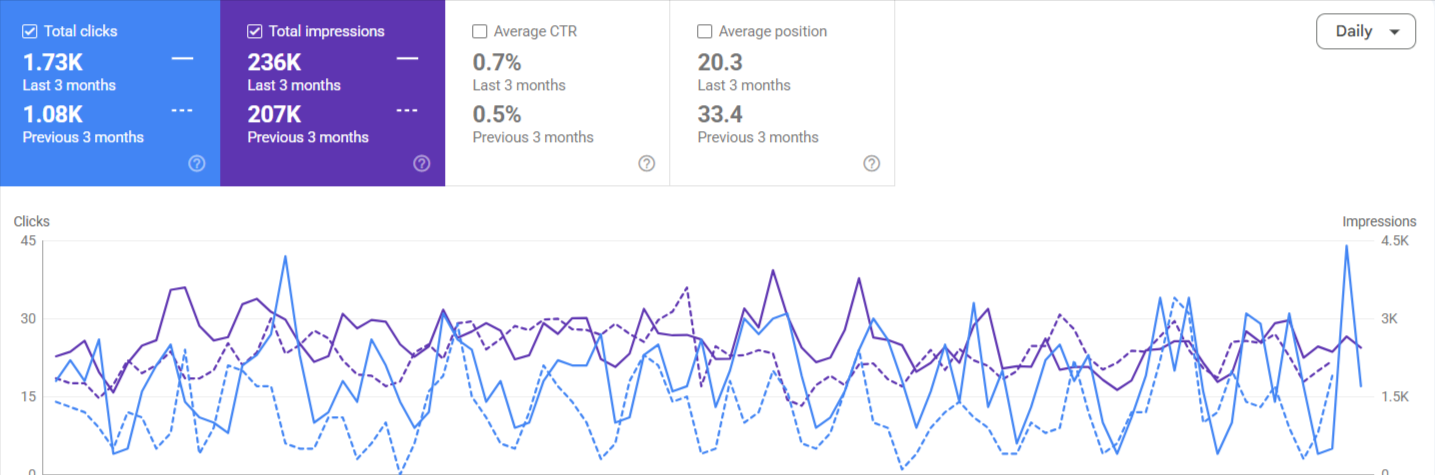
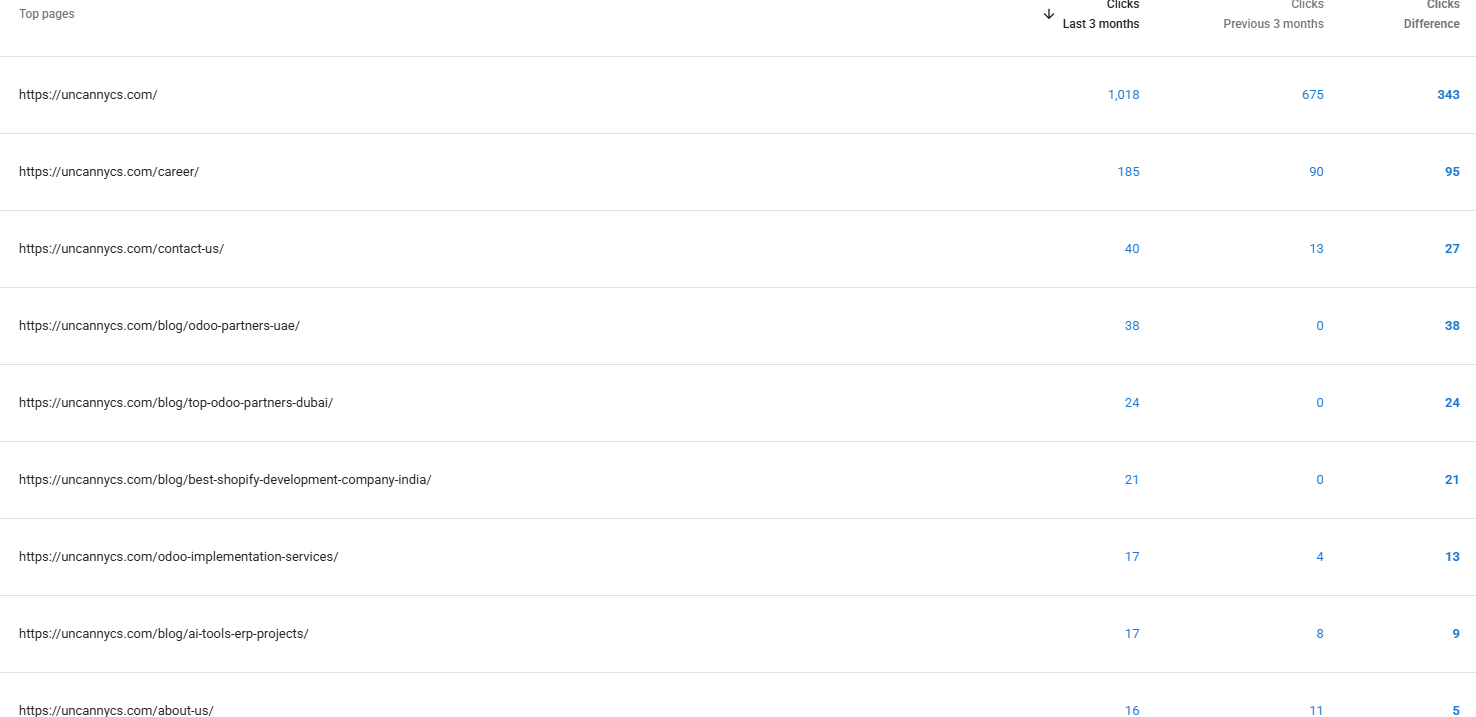
  • The strongest-performing page gained 3,570 additional impressions after optimization.
  • Another high-value guide recorded 2,382 additional impressions and 17 additional clicks.
  • A core data governance page improved rankings from position 14 to position 11.

Built a Stronger SEO Foundation

Beyond individual page improvements, the project created a scalable optimization framework that strengthened topical authority across enterprise data management and governance topics.

Related Case Study

SaaS

Leading E Sim Brand Globally

Preply

Job Sports

Your Ads Don't Need More Budget. They Need Missive (Measurement & Strategy)

Your campaigns are running, leads are arriving, and revenue isn't following. The problem usually isn't the ads themselves. Missive will audit what you measure, find where leads are dying between the form and the sale, and rebuild the framework that makes every euro traceable to a customer. No guesswork, no generic playbooks.

Explore
Drag